
Dairy Science Park has been accepted by the United Nations as SDG Action 40154. The initiative contributes to sustainable development through improved governance of the livestock sector, strengthening food systems, and promoting inclusive economic opportunities across the livestock value chain.
Good Governance (SDG 2 – Zero Hunger)
Producing more with fewer resources, while balancing consumption and reducing losses, is a key objective for sustainable livestock production. According to the Food and Agriculture Organization (FAO, 2018), livestock supply chains are resource-intensive, requiring large amounts of land, water, nutrients, and energy while also contributing significantly to greenhouse gas emissions.
With global demand for animal products expected to increase, the livestock sector must produce more with less through improved governance and efficient value chains. Unsustainable production and consumption patterns lead to inefficient resource use, environmental degradation, lost economic opportunities, poverty, and health challenges.
Dairy Science Park addresses these challenges through the proposed Livestock Technopark Peshawar, which promotes sustainable livestock production, improved marketing linkages, and efficient value chains to strengthen livestock-based food security, contributing to SDG 2 (Zero Hunger).
Food Safety and Public Health (SDG 3 – Good Health and Well-Being)
Livestock provides essential food products such as milk, meat, and eggs, which must be produced and handled safely. Approximately 70% of emerging human diseases originate from animals, highlighting the importance of effective biosecurity and food safety systems.
A long-term initiative in biorisk management (BRM) has been implemented through Dairy Science Park and the Veterinary Research Institute at the University of Agriculture Peshawar. Under sponsorship from Sandia National Laboratories (USA), a wide range of stakeholders—including students, university faculty, researchers, provincial ministers, government officers, and industry representatives—have received international training.
This initiative will continue through the proposed Biorisk Management Center under the Livestock Technopark framework in collaboration with Khyber Medical University, expanding training and capacity building across the food value chain. These activities directly support SDG 3 (Good Health and Well-Being).
Women Empowerment (SDG 5 – Gender Equality)
Women play a vital role in the livestock value chain, particularly in animal husbandry, milk handling, food processing, and household food security. However, they often face limited income opportunities and higher exposure to food-borne and zoonotic diseases.
Women University Mardan has been actively engaged in Dairy Science Park activities. The Vice Chancellor and faculty members participated in international workshops on biorisk management and food safety, including curriculum development programs in Colombo, Sri Lanka, and the Dairy Science Park IV conference held in Konya.
Through collaboration with academic institutions and industry partners, Dairy Science Park promotes women’s participation in entrepreneurship, livestock farming, food processing, quality control, and marketing services. These initiatives contribute to women’s economic empowerment and professional development, in line with SDG 5 (Gender Equality).
Good Practices and Clean Energy (SDG 7 – Affordable and Clean Energy)
Adoption of best management practices in livestock production can significantly improve the efficiency of natural resource use while reducing environmental impacts. Sustainable feeding strategies, improved supply chains, and balanced consumption patterns can help reduce pressure on land, water, and energy resources, while lowering greenhouse gas emissions.
Further improvements can be achieved by reducing food waste and losses across supply chains and by promoting responsible consumption patterns. Achieving these goals requires collaboration among consumers, policymakers, researchers, industry representatives, and entrepreneurs.
In addition to promoting sustainable livestock production practices, Dairy Science Park has supported renewable energy innovation through its startup solar enterprise SunSaviour. The company has contributed to the development and promotion of solar energy technologies in the region through:
- Research and development of solar inverters and lithium-ion battery systems
- Design and provision of solar installation packages for residential and commercial users
- Introduction of innovative solar energy products to the local market
- Promotion of renewable energy awareness and entrepreneurship
As part of these initiatives, Dairy Science Park organized the First International Solar Expo 2024 in Peshawar, bringing together researchers, entrepreneurs, industry representatives, and policymakers to promote renewable energy solutions for sustainable development.
Through these activities, Dairy Science Park supports the transition toward clean and affordable energy systems, contributing to SDG 7 (Affordable and Clean Energy) while strengthening sustainable economic opportunities across the food and energy value chains.
Employment Generation (SDG 8 – Decent Work and Economic Growth)
The province of Khyber Pakhtunkhwa, including the merged tribal districts, is rich in natural resources, particularly livestock. The livestock sector remains one of the primary sources of rural livelihood. However, most livestock farming in the province is subsistence-based, with households typically keeping 1–4 animals, which together represent more than 70% of the livestock population. Only a small proportion of animals are raised in commercial farms, limiting productivity, income generation, and value addition.
Agriculture and livestock activities—including farming, processing, marketing, and services—employ a significant portion of the labor force, while a large share of the rural population relies on this sector for household income. Despite this potential, the younger generation often faces difficulties in finding sustainable employment opportunities within the sector.
Through the initiatives of Dairy Science Park, efforts have been made to motivate postgraduate scholars and graduating university students to develop entrepreneurship models based on applied research and innovation. These initiatives encourage young professionals to establish enterprises in livestock farming, food processing, biotechnology products, and service delivery systems.
DSP promotes entrepreneurship through:
- Applied research and innovation projects linked with industry needs
- Development of quality control and certification systems for livestock products and related services
- Establishment of forward and backward marketing linkages across the value chain
- Strengthening research and development collaborations between universities, industry partners, and entrepreneurs
These initiatives aim to facilitate the production of safe and high-quality food and biotechnology products for both local consumption and export markets.
The proposed Livestock Technopark model further supports these objectives by creating an autonomous governance framework that integrates academia, industry, and government, enabling innovation-driven enterprises and generating decent employment opportunities across the livestock value chain, in line with SDG 8 (Decent Work and Economic Growth).
Institutional Responsiveness and Peace Building (SDG 16 – Peace, Justice and Strong Institutions)
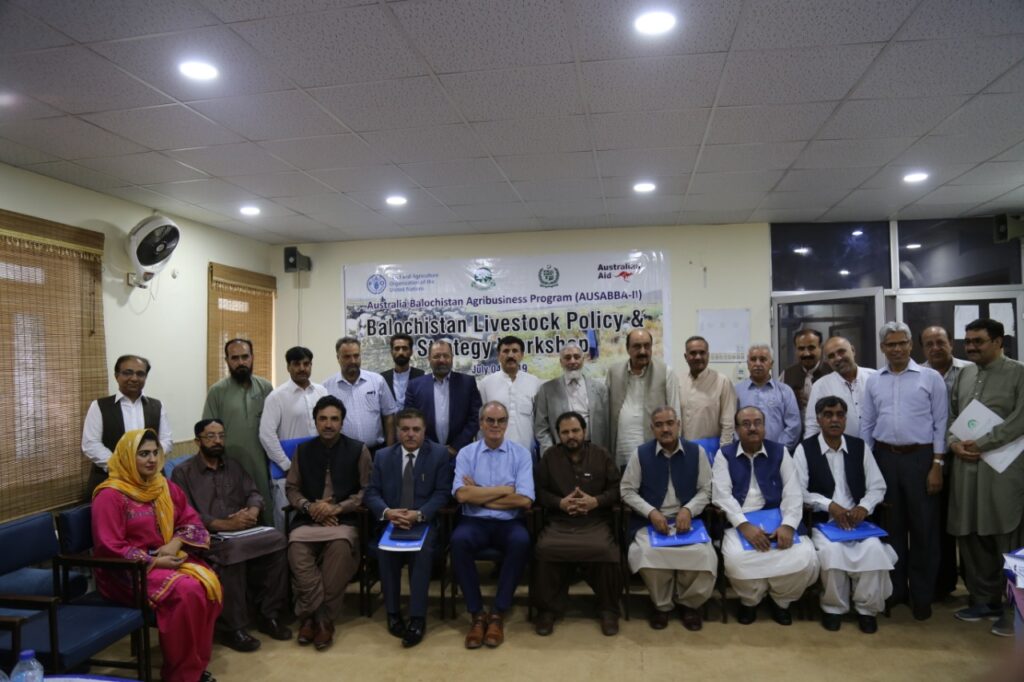
Public sector institutions responsible for livestock extension, research, and education often operate within predefined mandates and limited resources. As a result, their services mainly address routine needs—such as treatment of sick animals or limited awareness campaigns—while the broader requirements of farmers, processors, and investors regarding market development, investment facilitation, and technological innovation remain insufficiently addressed. Through consultancy assignments with the Food and Agriculture Organization and the International Trade Centre, Dairy Science Park contributed to the development of livestock policies and action plans aimed at improving governance and strengthening value chains in the livestock sector. These policy initiatives emphasized the Triple Helix Model of Good Governance, based on an Academia–Industry–Government nexus, which promotes collaboration among research institutions, private sector enterprises, and public authorities.
The proposed governance framework was well received by stakeholders, including academic institutions, livestock producers, processors, and potential investors, who recognized the need for stronger coordination and market-oriented development of the livestock sector. However, the level of engagement from some public sector organizations remained limited, highlighting the need for institutional reforms that encourage greater responsiveness, collaboration, and innovation.By strengthening institutional cooperation and improving governance structures, this initiative contributes to peace, stability, and economic prosperity in the conflict-affected regions of Khyber Pakhtunkhwa, while helping to reduce conflicts of interest among producers, processors, consumers, and regulatory institutions, in line with SDG 16 (Peace, Justice and Strong Institutions).